
COMPETITION BRIEF
American Society of Muslim Architects (ASMA)
In collaboration with Madani Muslim Community Services Masjid
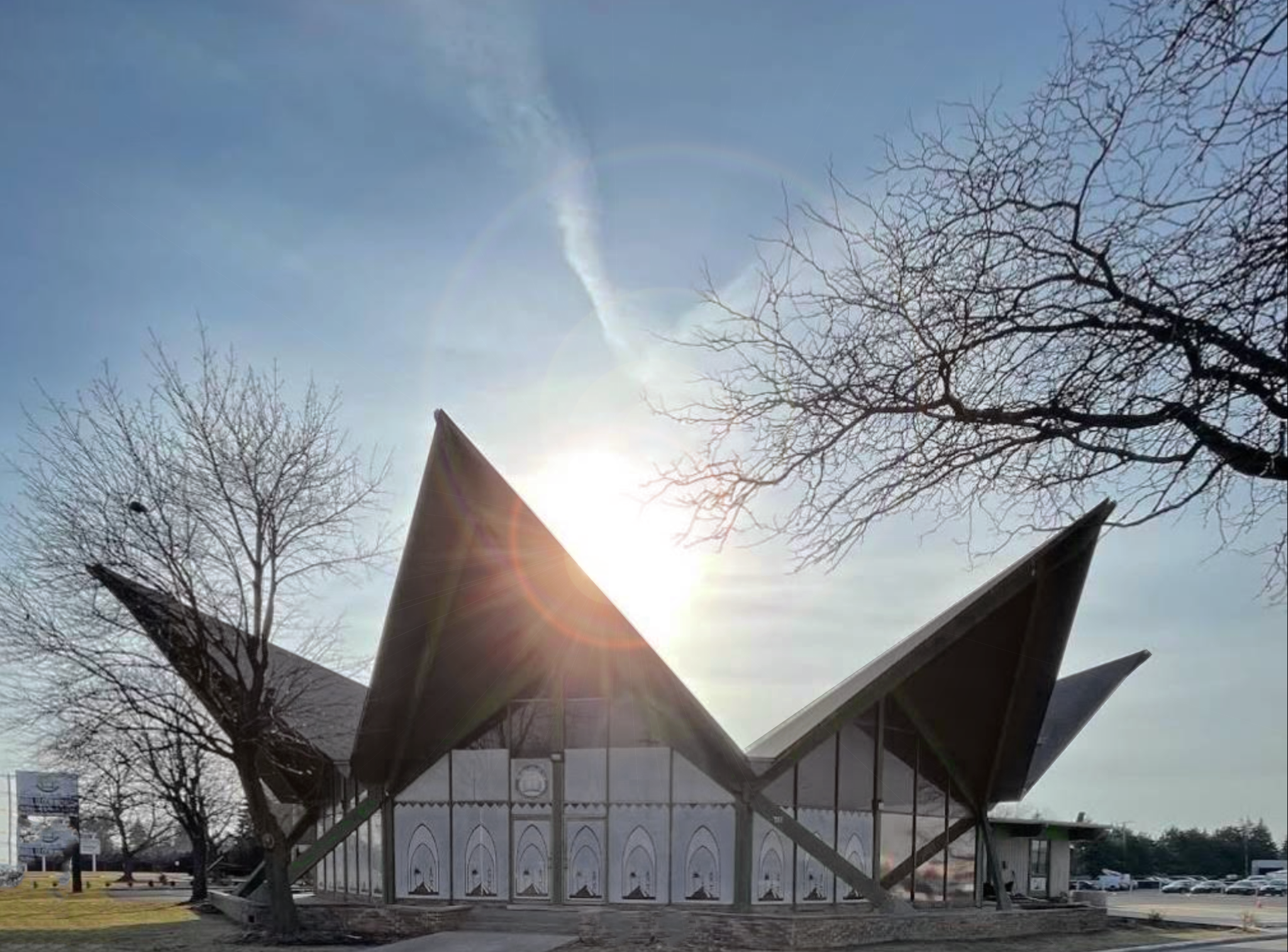
The American Society of Muslim Architects (ASMA) invites architects, designers, and students nationwide to participate in a design competition for the adaptive reuse and interior reimagining of a newly acquired building at Madani Masjid, also known as Darul Uloom Masjid, in Warren, Michigan.
This competition focuses on Phase I of a multi-year expansion: transforming a former mechanic’s garage into a flexible educational and community-centered space that supports Islamic learning, youth development, and communal gathering.
This competition is open to all. The competition winner and an honorable mention will be selected at the end of the competition in late May.
The registration deadline is May 10th.
The submission deadline will be May 26th.
PRIZE: $1000
Honorable Mention: $250
Competition entries may be submitted below.
Max file size is 10 MB
Each team’s registration cost is $15 (regardless of number of participants in a submission). Submission form link is found on the competition page.
Project Context & Site
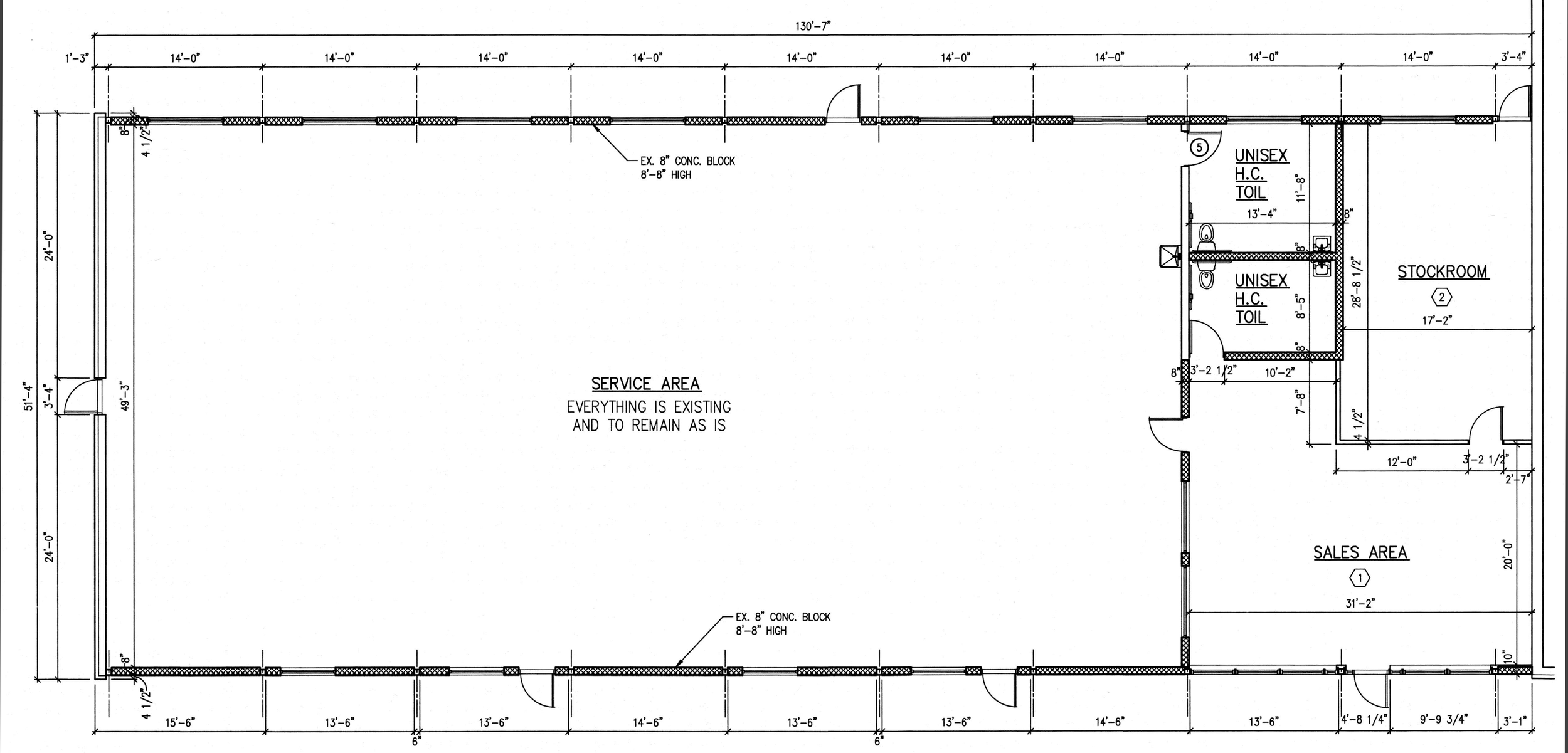
Madani Masjid serves a growing Muslim community with expanding educational programming. Due to capacity needs, the masjid has acquired a commercial structure located directly south of the existing prayer hall across the parking lot. See exhibits A (site plan) and B (building floor plan)
The main program hall features:
A large open interior footprint
High ceilings
Existing acoustic challenges
CMU wall construction
Design Scope (Primary Focus)
Main Program Hall
The primary design challenge is the transformation of the former mechanic’s garage into a large, flexible educational hall. The hall will primarily be used for Quran students from Monday through Friday during the day times. The mornings will be dedicated for Quran, while the afternoons are for academic studies, for which chromebook laptops are pulled out for individual study. Storage of Quran benches, backpacks, chromebooks, laptop lapdesks, and for personal items should be provided for. Flexibility, acoustics, and spatial clarity are essential in the design.
Key Programs:
Divide the hall into approximately two functional zones using an operable partition system
Zone A: Nazira for children + Alim courses for high school and older students. See exhibit C for Nazira and Alim class layout.
Zone B: Hifz al Quran program for children. See exhibit D for Hifz class layout
Accommodate daily classroom use while supporting larger gatherings
Integrate a presentation area at the back of the space for larger-scale events like
Monthly student-led programs
Seminar-type classes with the speaker presenting at the far end of the hall
A parallel taraweeh jama’ah during Ramadan
Supporting Spaces
Reception & Entry
Two-person reception desk
Waiting/lounge area equipped
Welcoming, community-focused atmosphere
Bathrooms
Accessible from both reception and main hall
Expansion into reception space may be explored to accommodate capacity. Only a men’s bathroom is necessary as this portion of the building is for male students only.
Admin Storage
Secure storage for books, supplies, and miscellaneous
Accessed exclusively from reception
Design Considerations
Design proposals should thoughtfully respond to:
Spatial layout
Architectural or sculptural articulation of the walls and ceiling
Additional features to help control acoustic echo and sound control
Lighting design
Integration of Arabic artwork throughout the project
A visual focus that is flexible according to the needs of the various programs
Balance of spirituality, education, and community warmth
Minimal budget for interior renovations
Designs should accommodate:
Water fountains
TVs and monitors
Chromebooks
Foldable lap desks
Speakers and microphones
Stage infrastructure + storage
Necessary Drawings
Exhibit A: Site plan
Exhibit B: Floor plan
Exhibit C:
Exhibit D:
Submission Requirements
Submit all materials in a single pdf, with no team names or identifying information listed anywhere in the pdf. Page one should contain your title and your design narrative.
Design narrative (max 1 page)
Program diagrams, plans, sections / interior elevations, and details (if applicable)
Interior renderings / perspectives
Material palette
Judging Criteria
Projects will be evaluated on:
Programmatic Clarity
Effectiveness of layout
Zoning between educational uses
Flexibility for daily and large-scale events
Architectural & Spatial Quality
Quality of interior atmosphere
Spatial relationships and stage integration
Balance between spirituality and functionality
Technical Acoustic Response
Thoughtful response to echo and sound
Integration of lighting, materials, and ceiling strategies
Cultural & Community Sensitivity
Respectful incorporation of Islamic aesthetics
Community-centered design approach
Appropriate use of calligraphy and symbolism
Financial Feasibility
Responding to cost-conscious design considerations
Frequently Asked Questions
Do I have to have a partner or can I submit on my own?
You can submit alone or with a partner.