
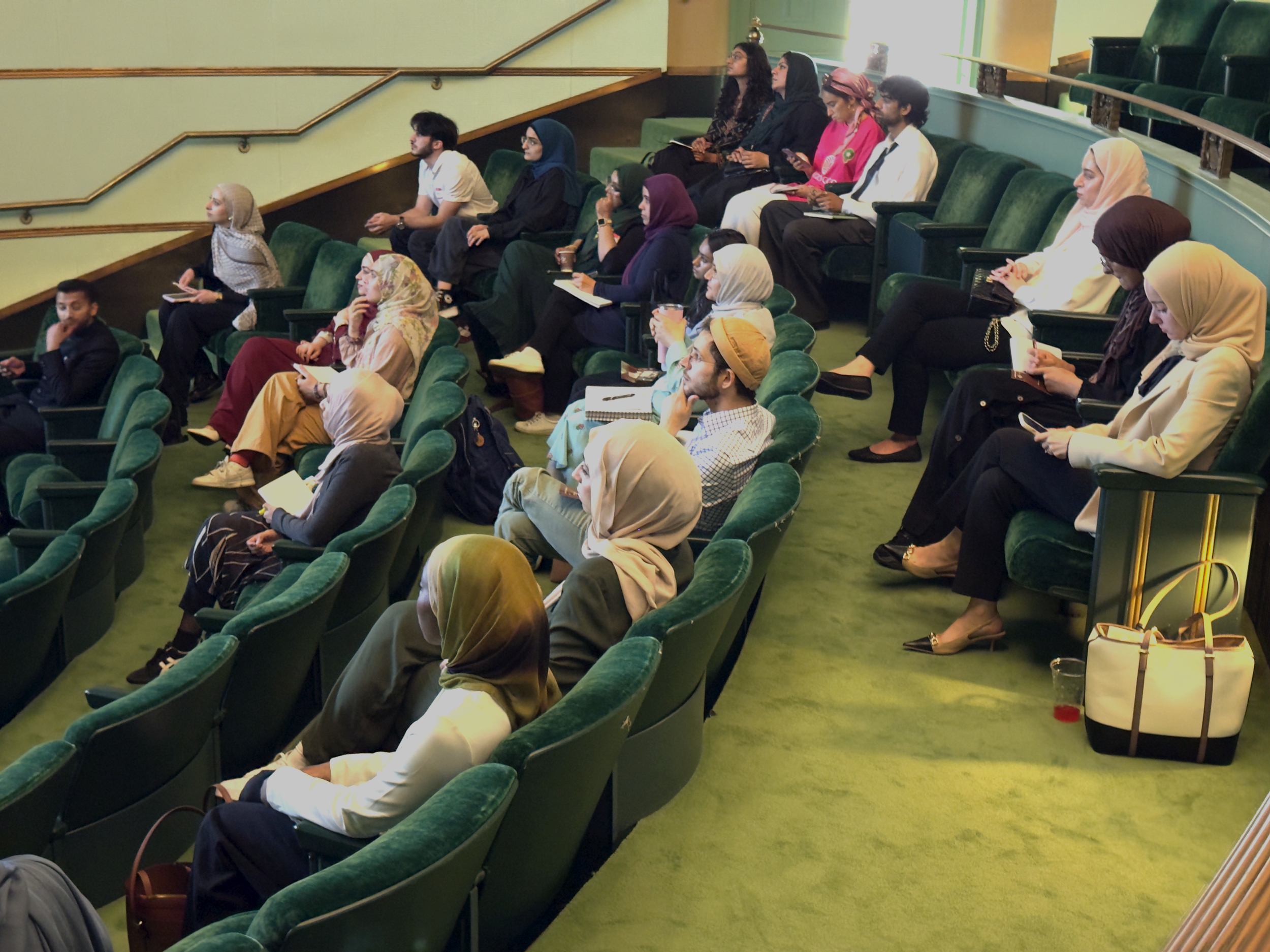
2025 ASMA National Conference
Ann Arbor, Michigan
THEME: ITQAN | إِتْقَانَ
Highly decorative spiritual spaces were once the pinnacle of a society’s cultural expression in the old world. Not so in modern industrialized America, where architectural design often omits purposeful expressions of faith and tradition. Instead, architecture continues to prioritize efficiency through advanced technologies and streamlined design strategies, depriving our built environment of a deeper, more meaningful connection to culture and place.
As a growing sense of rootlessness feeds public discontent, a unique opportunity emerges: to design with intention, to reintroduce purpose and meaning into our spaces. In response, the first annual ASMA Conference invites a conversation on how to incorporate the concept of itqan into contemporary practice.
It was narrated that the Prophet Muhammad (saw) said “‘Allah loves that when anyone of you does a job, he should perfect (إِتْقَانَ) it.”
Often translated as excellence, mastery, or proficiency, itqan calls us to elevate both our craft and our understanding of space through attention to detail and devotion to process. Rather than taking the path of least resistance, itqan urges designers to engage in deliberate effort, gaining insight with every stroke, and gradually achieving mastery over their work.
Students, professors and practitioners are invited to share how itqan has shaped Muslim architecture in the past, present and ways we can collectively do more to serve the public.
SPEAKERS

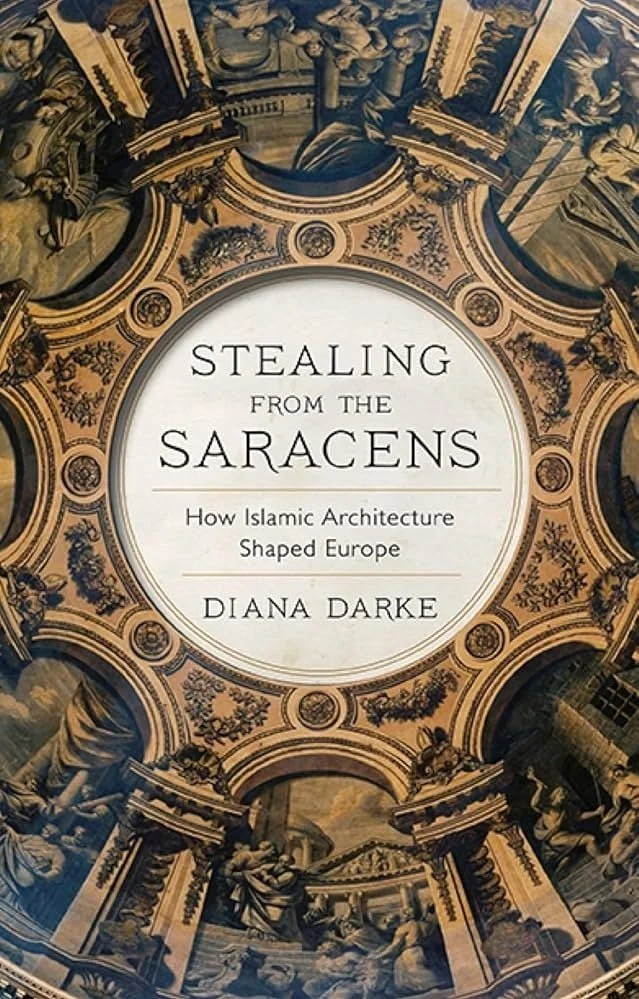
Diana Darke
Diana Darke - Keynote Speaker
Diana Darke is an acclaimed cultural historian, Middle East specialist, and author of Stealing from the Saracens: How Islamic Architecture Shaped Europe. With decades of experience working in the Arab world, Diana brings a richly informed and critical lens to the overlooked contributions of Islamic civilisation to Western heritage. Her groundbreaking work exposes the deep architectural and cultural interconnections between East and West—prompting audiences to re-evaluate the origins of what we often consider exclusively “Western” traditions.
In her keynote, Diana invited us to rethink inherited narratives of design and identity. As she asserts:
“A highly skilled new workforce, schooled in the Islamic tradition, gave Medieval Europe the essential foundation and springboard for all its future architectural styles. This foundation, known as ‘Romanesque,’ should rightly be renamed ‘Islamesque.’”.

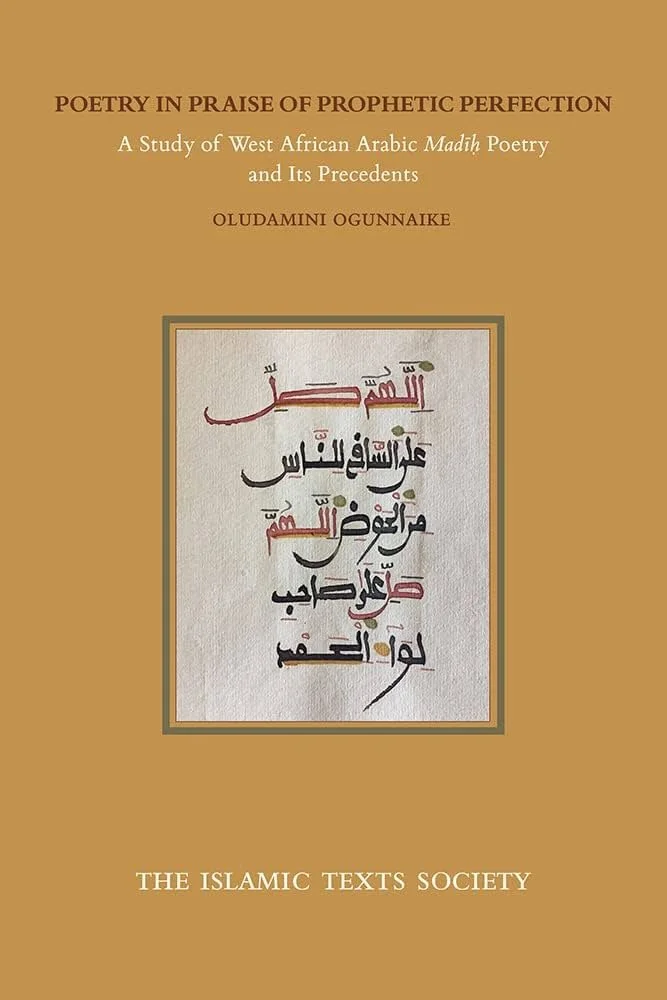
Oludamini Ogunnaike
Dr. Oludamini Ogunnaike
“Houses of Dhikr: What is Islamic about Islamic Architecture?”
A scholar of Islamic and African intellectual traditions, Dr. Ogunnaike explores how knowledge, aesthetics, and spirituality intersect across diverse cultural worlds. His work highlights the deep philosophical and metaphysical insights found in traditions like Sufism and West African thought, challenging conventional boundaries between the material and the immaterial, the visible and the invisible.

Mohamad Nahleh
Mohamad Nahleh
“Nightrise.”
An architect and scholar, Nahleh is an Assistant Professor of Architecture at The Ohio State University. His research moves across environmental history, cultural anthropology, and postcolonial literature pushing architecture to engage with overlooked dimensions of space, time, and meaning.
With a practice rooted in both critical theory and design, his work opens new paths for thinking about atmosphere, perception, and the ethics of visibility